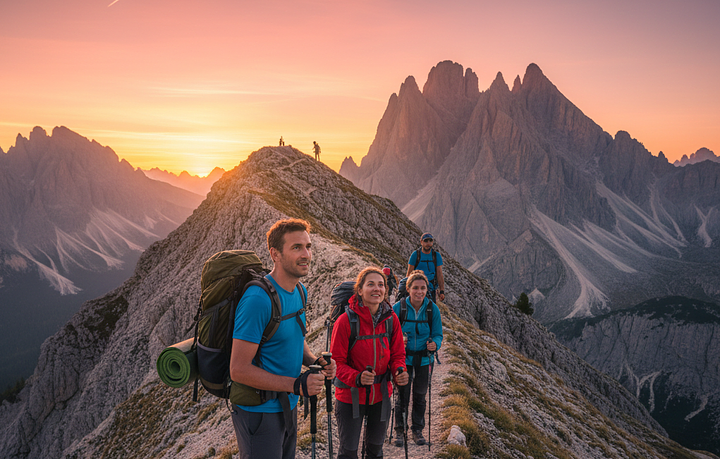
Have you ever hiked in the superb Dolomites? Alta Via 1 Dolomites hiking is a once-in-a-lifetime experience that combines breathtaking alpine scenery with authentic mountain culture and challenging yet accessible trekking.
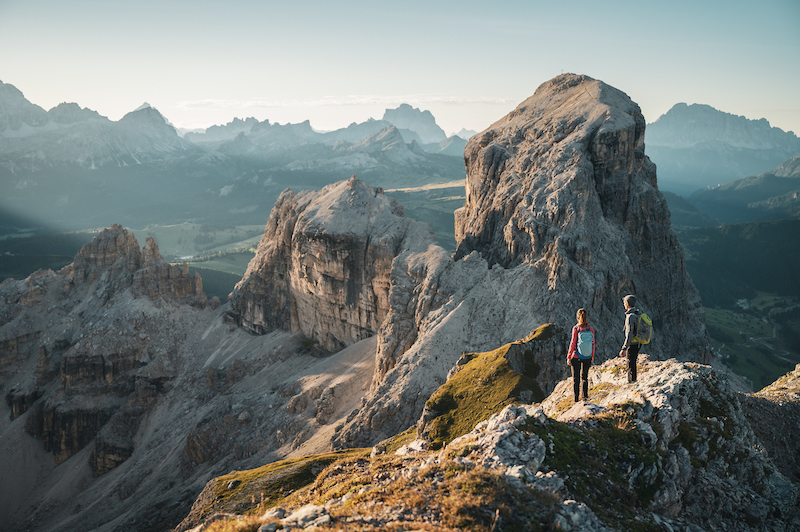
Imagine yourself on a summit at sunset: a rewarding hiking day behind you and the starry night awaiting. Let your gaze wander along the imaginary line traced by the Alta Via 1 between the mountain ranges that open up on the horizon. From up here, at an altitude of 3,000 meters, you can follow a good part of your journey through the Dolomites that has fascinated generations of hikers since 1966.
That's why Alta Via 1 is much more than a simple mountain excursion—hiking in the heart of this UNESCO World Heritage site delivers a truly transformative experience. The combination of dramatic limestone peaks, pristine alpine meadows, and traditional mountain refuges creates an adventure that remains etched in memory long after you return home.
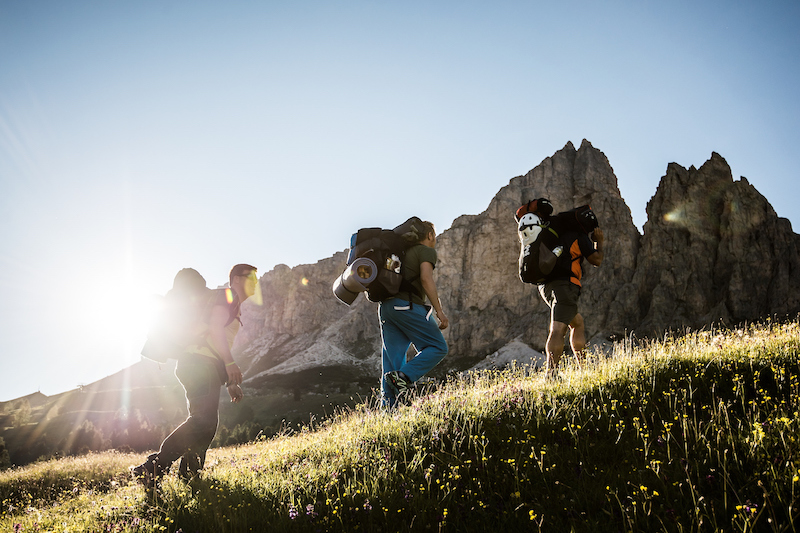
Alta Via 1: The Classic Dolomites High Route
The term "Alta Via" (High Route) refers to a multi-day hiking path traversing mountain terrain while staying at mountain huts or high-altitude camps along the way. The Alte Vie in the Dolomites comprise eight distinct routes offering varying degrees of difficulty and landscape diversity, suitable for both experienced hikers and ambitious beginners.
These legendary routes cross the Pale Mountains from north to south and east to west, extending all the way to Lake Garda. They were conceived in the 1960s by renowned mountaineer and writer Dr. Piero Rossi from Belluno, and today the Alte Vie remain timeless classics attracting hikers from around the world every summer.
Alta Via 1 is defined as "la Classica"—the classic route—and stretches approximately 130-150 kilometers from Lake Braies (Pragser Wildsee) in South Tyrol to Belluno in Veneto. The route leads hikers through the magnificent Eastern Dolomites groups from north to south, traversing Fanes, Tofane, Croda da Lago, Pelmo, Civetta, and the Belluno Dolomites.
Open air, verdant alpine pastures, endless mountain panoramas, and an experience accessible even to well-prepared beginners—Alta Via 1 Dolomites hiking will literally leave you breathless with its beauty and challenge.
Alta Via 1 - Dolomites Hiking in a nutshell
- Length: 130 km
- Total elevation gain on the way up: 8,000 m
- Total elevation gain on descent: 10,170 m
- Average duration: 10 - 13 days
- Difficulty: medium - easy
- Ideal period: from mid-June to September
- Number of stages: 12 (if you skip a few steps, they are reduced to 8/9)
- Mountain huts along the main route: 15
- High altitude camps along the main route: 1
- Refreshments along the route: 6
- Maximum altitude: Lagazuoi Refuge, 2,752 m
- Minimum altitude: Belluno, 389 m
- Dolomite groups involved: 11
- Mountain huts open from June to September
- Sign system: good
Difficulty Level: Medium-easy (suitable for fit hikers with basic mountain experience)
Trail Marking: Excellent—well-maintained signage throughout
Difficulty Level of Alta Via 1 for an Experienced Hiker
Understanding the difficulty level of Alta Via 1 for an experienced hiker helps set realistic expectations and ensures proper preparation. While classified as medium-easy compared to more technical Alpine routes, Alta Via 1 still demands respect and appropriate fitness levels.
Alta Via 1 trail difficulty and fitness preparation tips include:
- Physical Demands: The route requires sustained hiking for 10-13 consecutive days, with daily stages averaging 4-7 hours. While technical climbing skills aren't necessary, you should be comfortable with sustained uphill and downhill walking on mountain terrain, sometimes on loose or rocky surfaces.
- Altitude Considerations: The route maintains elevations around 2,000 meters for extended periods, with maximum altitude at 2,752 meters. While not extreme, these elevations can affect those unaccustomed to altitude, particularly during strenuous ascents.
- Terrain Variety: Expect well-maintained trails, some rocky sections requiring sure footing, occasional scree fields, and sections with fixed cables (via ferrata-style) offering additional security on exposed passages. Most sections remain accessible to hikers without technical climbing experience.
- Weather Challenges: Mountain weather changes rapidly. Even in summer, expect potential rain, temperature variations from warm valleys to cool high passes, and occasional afternoon thunderstorms requiring preparedness and flexible scheduling.
Best Time of Year to Hike Alta Via 1 in the Dolomites
Best time of year to hike Alta Via 1 in the Dolomites spans from mid-June through September, when mountain refuges operate and trails remain mostly snow-free at higher elevations.
Seasonal Considerations:
June: Early season offers wildflower blooms and fewer crowds, though some higher passes may retain snow patches. Refuges open progressively throughout the month, with some not operational until late June.
July-August: Peak season brings reliable weather, all refuges fully operational, and the most predictable conditions. However, expect maximum crowds at popular refuges and on the trail. Booking accommodations well in advance becomes essential during these months.
September: Shoulder season provides excellent hiking conditions with fewer crowds, autumn colors beginning in lower elevations, and generally stable weather. Some refuges close after mid-September, requiring careful planning.
Best weather apps for planning Alta Via 1 hike in the Dolomites include MeteoTrentino for region-specific forecasts, Windy for detailed wind and precipitation predictions, and Mountain Hub for crowd-sourced real-time conditions from other hikers on the trail.
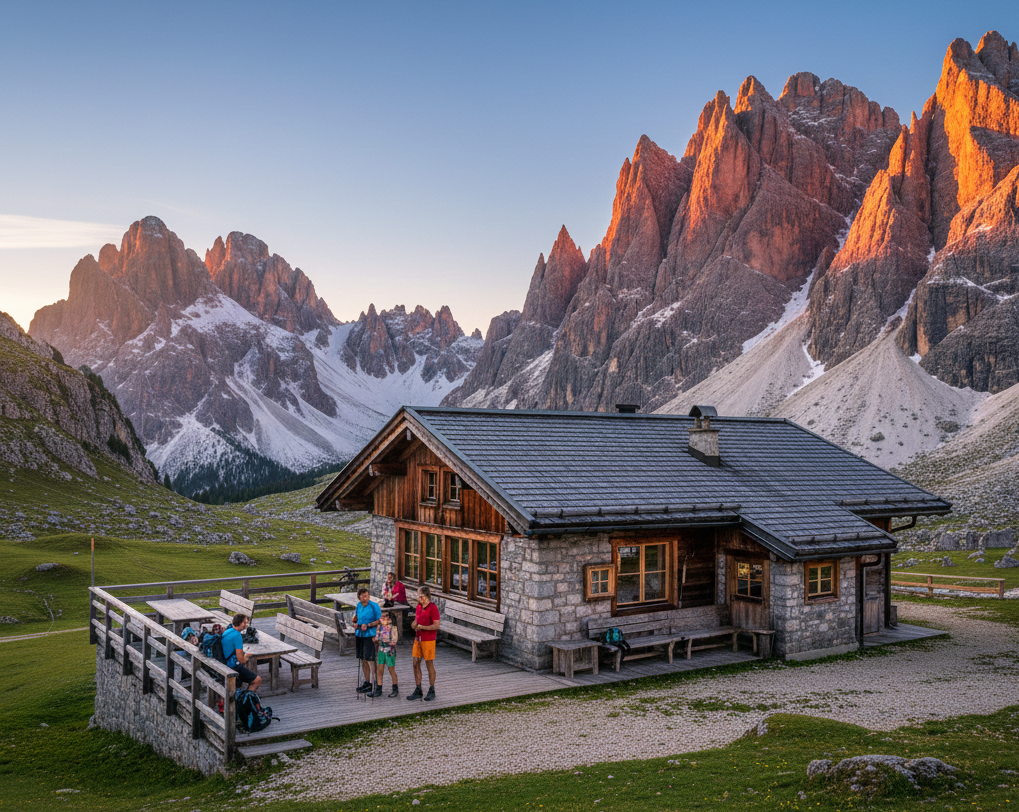
How to Book Rifugio Accommodation Along Alta Via 1
How to book rifugio accommodation along Alta Via 1 requires advance planning, particularly during peak summer months when popular refuges fill quickly. Mountain huts booking services along Alta Via 1 trail operate through several channels:
- Direct Booking: Most refuges accept reservations by phone or increasingly through online booking systems. The Italian Alpine Club (CAI) maintains a database of refuge contact information. Booking typically opens in spring for the upcoming summer season.
- Booking Timeline: For July-August, book 3-6 months in advance. June and September allow more flexibility with 1-2 months advance booking often sufficient.
- Confirmation: Always confirm reservations a few days before arrival, as mountain refuges sometimes face unexpected circumstances affecting availability.
- Luggage Transfer Services: Are there luggage transfer services available for Alta Via 1 hikers? Unlike some Alpine routes, Alta Via 1 doesn't typically offer commercial luggage transfer services due to refuge accessibility and trail character. Hikers should prepare to carry all necessary gear, making efficient packing essential.
- Guided Tour Booking Support: Companies offering organized Alta Via 1 hiking tours like Adventoured handle all refuge bookings as part of their packages, eliminating stress and ensuring optimal accommodation along your chosen itinerary. This service proves particularly valuable for international visitors unfamiliar with Italian booking systems.
Guided Alta Via 1 Hiking Tours in the Dolomites
Guided Alta Via 1 hiking tours in the Dolomites transform this classic trek from logistical challenge into seamless adventure. What are popular guide services for Alta Via 1 centers on local expertise, with certified mountain guides offering intimate knowledge of terrain, culture, and safety considerations.
Advantages of Guided Tours:
- Safety and Expertise: Certified guides navigate route finding, assess weather conditions, and make informed decisions about daily itineraries based on group capabilities and mountain conditions. Their expertise proves invaluable when unexpected situations arise.
- Cultural Immersion: Local guides share insider knowledge about Dolomites history, geology, flora and fauna, and mountain culture that independent hikers often miss. This transforms hiking from pure physical activity into educational cultural experience.
- Logistical Support: Alta Via 1 guided hiking group prices and packages typically include refuge bookings, half-board meals, emergency support, and sometimes equipment rental, eliminating the complexity of organizing multi-day mountain trekking independently.
- Social Dimension: Guided groups create international camaraderie among like-minded adventurers, sharing experiences and forming connections that often extend beyond the trek itself.
Adventoured maintains a network of qualified local guides leading guided Alta Via 1 hiking tours in the Dolomites, ensuring authentic experiences with expert support throughout your journey through Croda del Becco, Fanes, Lagazuoi, Tofane, Averau, Giau, Croda da Lago, Monte Pelmo and Civetta.
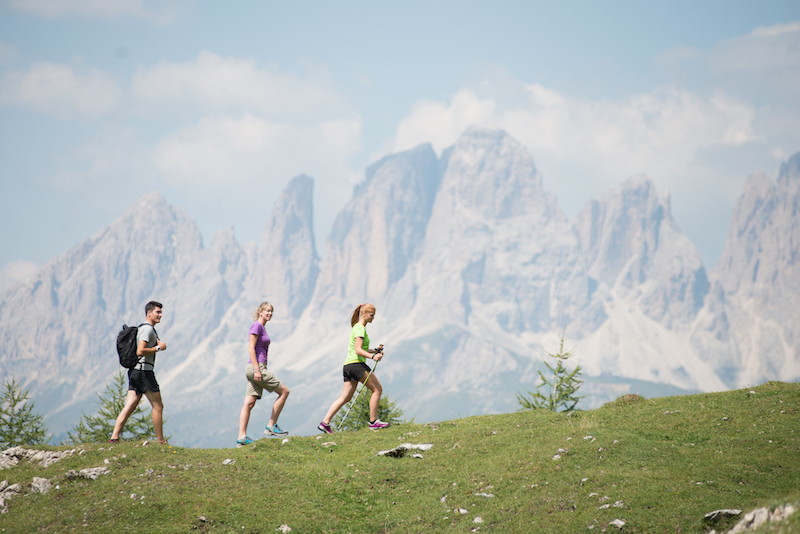
Best Hiking Gear for Alta Via 1 Dolomites Trek
Proper equipment proves essential for enjoyable Alta Via 1 Dolomites hiking. Best hiking gear for Alta Via 1 Dolomites trek balances functionality, weight, and durability for multi-day mountain trekking.
- Footwear: Waterproof hiking boots with ankle support and proven comfort over long distances form the foundation. Break in boots thoroughly before attempting Alta Via 1—blisters can end your trek prematurely. Quality hiking socks, preferably merino wool or technical synthetics with moisture management, prevent blisters and maintain comfort.
- Backpack: Recommended gear list for a multi-day trek on Alta Via 1 begins with a 30-40 liter backpack offering proper weight distribution and comfortable carrying systems. Since refuges provide meals and bedding, you're carrying primarily clothing, personal items, and daily essentials rather than camping equipment.
- Clothing Layers: Recommended outdoor clothing brands for Dolomites trekking include Arc'teryx, Patagonia, Rab, and Mammut, though many quality brands serve well. Focus on versatile layering systems:
- Moisture-wicking base layers for temperature regulation
- Insulating mid-layers (fleece or lightweight down) for cool mornings and evenings
- Waterproof, breathable shell jacket for rain and wind protection
- Waterproof pants for extended rain or particularly exposed sections
- Lightweight trekking pants with good mobility
- Warm hat and sun hat for varying conditions
- Gloves for cool morning starts and high passes
- Quality sunglasses with UV protection
Technical Equipment:
Trekking poles significantly reduce knee stress on long descents
Headlamp for early starts or refuge navigation
Water bottles or hydration system (minimum 2-3 liters capacity)
Basic first aid kit with blister treatment, pain relievers, and personal medications
Sunscreen and lip balm with high SPF
Small microfiber towel (refuges typically don't provide towels)
Toiletries and personal hygiene items
Navigation Tools: Where to find detailed topographic maps for Alta Via 1? Physical maps remain essential despite digital technology. The Tabacco 1:25,000 series covers Alta Via 1 comprehensively, available from outdoor retailers or online.
Alta Via 1 trail maps and GPS apps recommendations include:
Maps.me: Offline maps with trail information
Komoot: Route planning and navigation with offline capability
Gaia GPS: Detailed topographic maps and tracking
ViewRanger: European trail maps and navigation
Always carry physical maps as backup—battery depletion or device failure in the mountains leaves digital-only hikers vulnerable.
Insurance and Safety Considerations
What kind of travel insurance covers high-altitude hiking in Italy? Standard travel insurance often excludes mountain activities above certain altitudes. Specialized adventure travel insurance from providers like World Nomads, IMG, or European specialists covers mountain hiking, potential rescue costs, and medical evacuation from remote areas.
Verify that your policy specifically covers:
- Hiking at altitudes above 2,500 meters
- Mountain rescue and helicopter evacuation
- Medical treatment in Italy
- Trip cancellation or interruption due to weather
- Equipment loss or damage
The Italian Alpine Club (CAI) membership offers rescue insurance coverage for members, a valuable consideration for extended Alpine trekking.
Preparing for Your Alta Via 1 Adventure
Alta Via 1 trail difficulty and fitness preparation tips emphasize building endurance and mountain-specific conditioning in the months before your trek.
Training Recommendations:
Regular hiking with increasing distance and elevation gain
Stair climbing or hill repeats to build uphill endurance
Backpack training with gradually increasing weight
Multi-day consecutive hiking weekends to condition for sustained effort
Core and leg strengthening exercises for stability and injury prevention
Physical preparation transforms Alta Via 1 from grueling challenge into rewarding adventure where you can fully appreciate the spectacular surroundings rather than focusing solely on physical struggle.
Your Alta Via 1 Experience Awaits
Alta Via 1 Dolomites hiking represents more than athletic accomplishment—it connects you with UNESCO World Heritage landscapes, introduces you to authentic alpine culture, and creates memories that endure long after you return to everyday life.
Whether tackling the route independently with careful preparation or joining guided Alta Via 1 hiking tours in the Dolomites with expert support, this classic high route offers transformative experiences in one of Europe's most spectacular mountain regions.
Adventoured provides comprehensive support for your Alta Via 1 adventure, from detailed equipment guidance before arrival to expert local guides who maximize your experience while ensuring safety throughout your journey. Our network of qualified mountain guides knows every refuge, every panoramic viewpoint, and every hidden corner of this magnificent route.
Ready to experience the classic Dolomites high route? Contact Adventoured today to organize your Alta Via 1 Dolomites hiking adventure with expert guidance, carefully planned logistics, and the insider knowledge that transforms good treks into unforgettable journeys.
View our detailed Alta Via 1 Dolomites Hiking itinerary
Discover why this legendary route has captivated hikers for over half a century.