Hiking the Dolomites hut to hut in September is one of the finest mountain experiences in Europe. The summer crowds have thinned, the larch forests blaze gold, and the rifugio network operates at full capacity — yet beds are easier to book than in July or August. If you're planning a dolomites hiking hut to hut adventure and wondering when and how to do it, this guide gives you everything you need.
Why September Is the Best Time to Visit the Dolomites
The best time to visit the Dolomites for hiking depends on what you value most. July and August offer peak weather reliability but maximum crowds; June brings wildflowers but some high passes may still carry snow. September is the insider's pick — consistently excellent conditions, reduced trail traffic, and the extraordinary visual reward of golden larch trees against white limestone peaks.
Hut to hut hiking in the Dolomites in September benefits from several practical advantages. Rifugios operate on full schedules through mid-September and many extend into early October. Daylight runs to 12-13 hours, allowing ambitious daily distances without dawn starts. Afternoon thunderstorm risk — a constant in the Alps during summer — decreases as the month progresses, creating longer stable windows for high-altitude travel.
Temperatures at altitude settle into the 6-12°C range — perfect for sustained hiking effort. Valley approaches start warmer, making layered clothing systems essential, but the cool conditions at higher elevations actually improve physical performance and enjoyment compared to the heat of peak summer.
The Definitive Hut-to-Hut Routes
Dolomites hiking Alta Via 1: the classic traverse
Dolomites hiking Alta Via 1 represents the gold standard of Italian mountain trekking. Stretching approximately 130 kilometers from Lago di Braies in South Tyrol to Belluno in Veneto, La Classica traverses 11 Dolomite groups over 10-13 days, passing the iconic groups of Fanes, Tofane, Croda da Lago, Pelmo, and Civetta.
The statistics give a sense of scale: 8,000 meters of total elevation gain, 15 mountain huts along the main route, and a maximum altitude of 2,752 meters at Rifugio Lagazuoi. Despite these numbers, dolomites hiking Alta Via 1 rates as medium difficulty — achievable for fit hikers with good mountain experience and appropriate preparation. Trail marking is excellent throughout, and the network of rifugios means you're never far from shelter, food, and fellow adventurers from around the world.
September transforms this already magnificent route. Larch forests between 1,500 and 2,000 meters turn from green to vivid gold and orange, creating visual drama beneath the pink-hued limestone towers. Trail traffic drops significantly compared to August, and rifugio bookings are easier to secure — 4-6 weeks advance notice is typically sufficient rather than the 4-6 months required for peak season.
For a deeper look at equipment, difficulty levels, navigation tools, and guided tour options for this specific route, read our complete guide: Alta Via 1 Dolomites Hiking Guide: Best Time, Gear & Guided Tours.
Hut to hut hiking Dolomites: the classic 5-day traverse
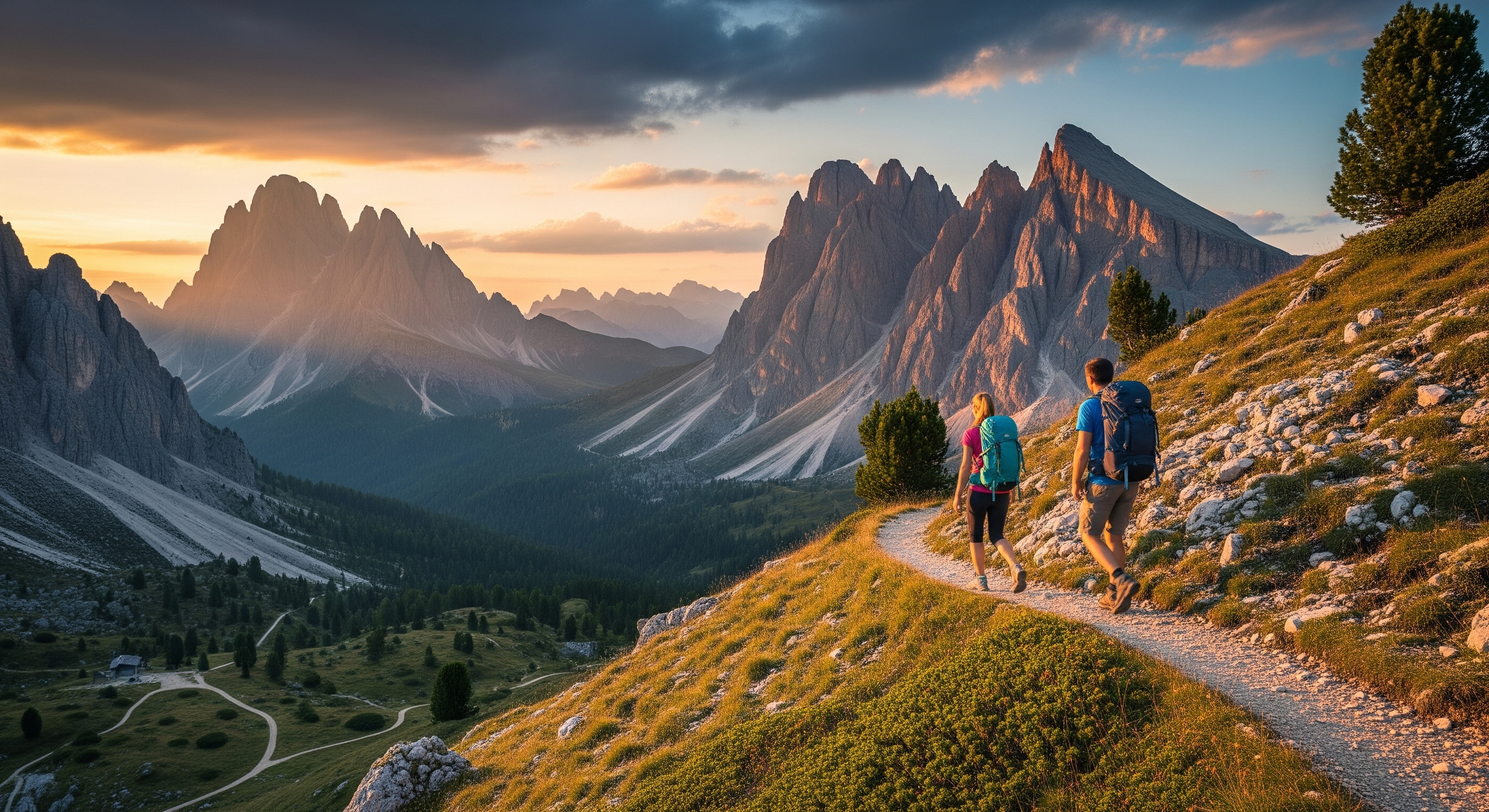
Beyond the Alta Via 1, hut to hut hiking Dolomites adventures through the Val di Fassa–Marmolada–Val Badia–Val Gardena corridor offer a more compact but equally dramatic alternative. This 5-day traverse covers approximately 68 kilometers with 4,100 meters of total elevation gain, moving through some of the Dolomites' most iconic terrain.
The route begins in Val di Fassa with a warm-up day on the slopes of Val Monzoni before progressing to an overnight stay at Rifugio Fuciade, positioned directly in front of the Marmolada glacier and Pale di San Martino — one of the Dolomites' most atmospheric rifugio positions. Subsequent days cross Forca Rossa beneath the Marmolada's south face, traverse the Sella group via Piz Boè at 3,000 meters, and conclude with a descent from the Sassolungo to Canazei.
Guided by UIAGM certified mountain professionals, this traverse suits hikers with solid fitness and mountain experience. Small groups of 3-6 participants ensure personalized attention and flexibility to adapt the route to conditions.
Hut to hut hiking Italy: the Brenta Dolomites circuit
The Brenta range offers hut to hut hiking Italy experiences with distinctly different character from the eastern Dolomites. Less internationally known, these western limestone towers attract fewer foreign visitors, creating genuine solitude even in summer. In September, the Brenta is almost entirely yours.
The 4-day circuit moves through Val di Rabbi, Val Gelada, Passo del Tonale (with access to 3,000-meter terrain), and concludes near Madonna di Campiglio — one of Trentino's most elegant alpine villages. The Skirama Dolomiti Adamello Brenta network encompasses over 150 kilometers of trails connecting eight resort areas, creating diverse terrain options that guides can adapt to group conditions and abilities.
Evening meals in traditional Trentino mountain hotels, local wines from the Trento DOC region, and cultural exchanges with communities that have worked these valleys for generations add depth that pure trail-focused itineraries often miss.
Specific Trail Conditions in September
Understanding September trail conditions allows realistic planning and appropriate gear choices.
Below 2,000 meters: Trails remain firm, well-maintained, and fully accessible throughout September. The main variables are wet conditions after rain — which arrives more frequently in September than August — and increasing fallen leaves making some lower forest sections slippery.
Between 2,000 and 2,500 meters: The main trail network is fully accessible. After mid-September, morning frost on north-facing slopes creates icy patches requiring care. Limestone surfaces become extremely slippery when wet — Vibram-soled boots are non-negotiable, not optional.
Above 2,500 meters: Early snowfall is possible from mid-September. Individual weather events can close specific passes temporarily. Always check conditions with the destination rifugio or local mountain rescue before attempting high routes after mid-month.
Afternoon weather: The classic Alpine afternoon thunderstorm pattern — clear mornings building to storm by 2-3pm — occurs throughout September. Plan ambitious sections for the morning window (6am-1pm) and schedule less exposed terrain for afternoons.
What to Wear: Essential September Hiking Kit
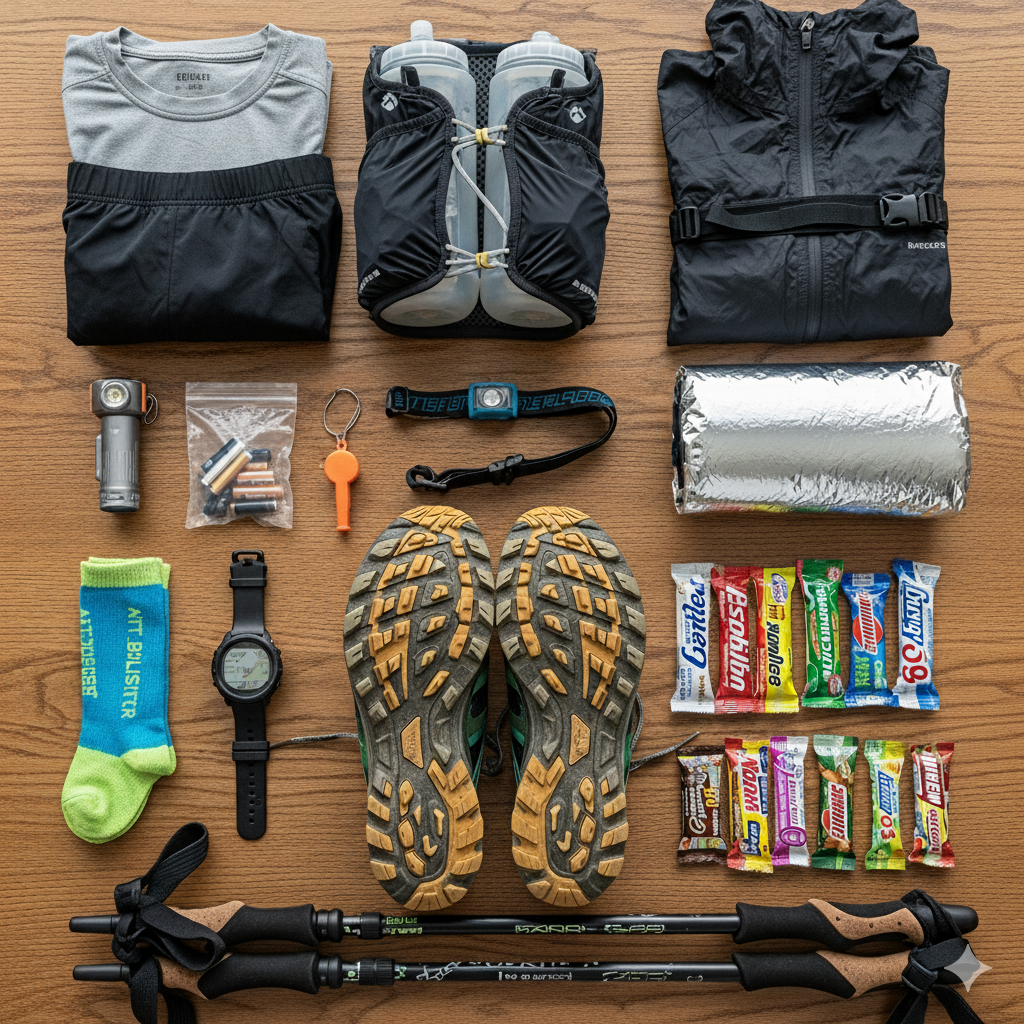
September Dolomites hiking requires versatile layering rather than a fixed outfit. The temperature differential between valley starts and high-altitude destinations can exceed 12°C within a single day.
The foundation is a moisture-wicking base layer in merino wool or technical synthetic — never cotton, which retains moisture and causes dangerous chilling when wet. Over this, a lightweight fleece or down vest handles cool mornings and summit stops. A waterproof and windproof shell jacket with taped seams is not optional — pack it at the top of your bag for instant access.
Waterproof hiking boots with ankle support and serious grip are essential for wet limestone and icy morning patches. Lightweight gloves and a buff protect against summit temperatures that can drop to 3-5°C even on sunny September days. Trekking poles dramatically improve safety on wet descents and reduce cumulative knee stress across multi-day itineraries.
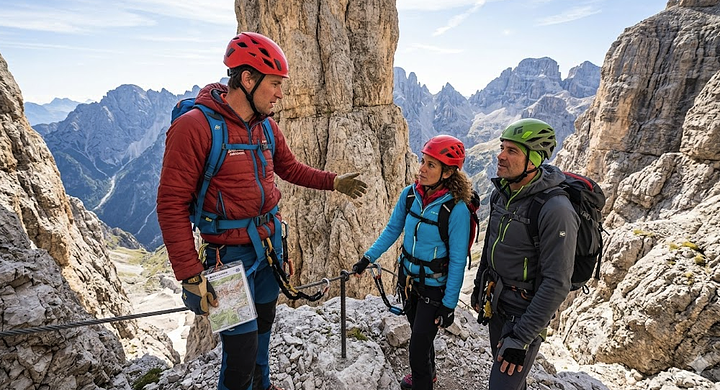
Via ferrata sections: Several Dolomites hut-to-hut routes incorporate fixed cable sections requiring harness, helmet, and via ferrata set. If your chosen itinerary includes the Bocchette Centrali or similar technical passages, see our dedicated guide: The Best Via Ferratas in the Dolomites, which covers equipment, difficulty ratings, and guided tour options for protected climbing routes throughout the region.
How to Book a Mountain Hut (Rifugio) in the Dolomites
How to book mountain huts along hut-to-hut routes requires a different approach from standard hotel reservations. Understanding the process eliminates frustrating surprises.
Most rifugios in the Dolomites accept reservations by phone or email, and increasingly through online platforms like rifugi.info or the CAI (Club Alpino Italiano) portal. For September booking, 4-6 weeks advance notice is typically sufficient for most routes — considerably less stressful than the 4-6 months required in July-August.
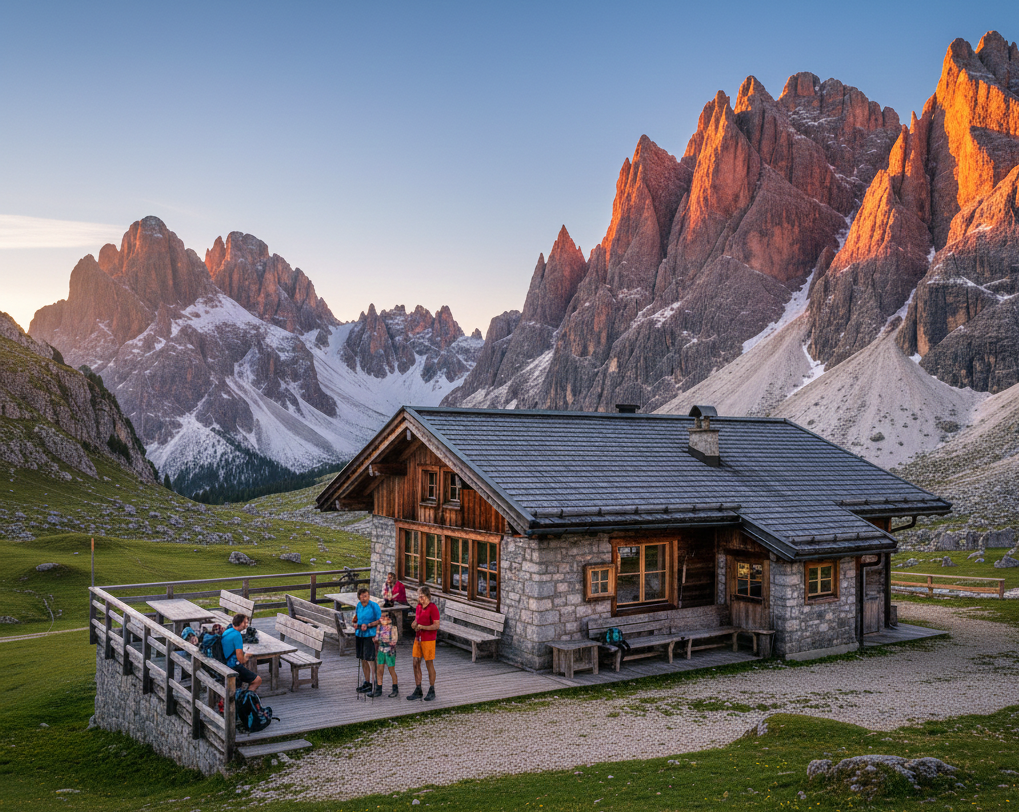
Always book half-board (mezza pensione) including breakfast and dinner. Rifugio kitchens typically close by late afternoon — aim to arrive before 5pm and confirm the dinner service time when booking. Lunches are almost never included in rifugio stays, making packed lunches (which many rifugios prepare on request for a small supplement) or energy-dense snacks essential.
Pack a lightweight sleeping liner (cotton or silk) — blankets are provided but liners are required or strongly recommended in most Dolomites rifugios. Towels are never provided; a compact microfibre towel is a lightweight essential.
Confirm your reservation 48 hours before arrival, especially in September when weather-related schedule changes are more frequent than in peak season.
For a comprehensive guide to the entire hut-to-hut planning process — route selection, navigation, environmental ethics, and local etiquette — read: Hut-to-Hut Hiking in the Dolomites – The Ultimate Guide.
Guided Hut-to-Hut Hiking in the Dolomites
The advantages of guided hut-to-hut hiking Dolomites experiences become most apparent in September, when weather variability, changing trail conditions, and the logistics of multi-day rifugio stays create complexity that professional guidance elegantly eliminates.
UIAGM certified mountain guides bring intimate knowledge of how September conditions affect specific routes and passes. They handle all rifugio reservations, adapt daily plans to weather windows, provide technical support on exposed sections, and offer cultural insights into the landscapes and communities you traverse. This expertise allows complete focus on the experience rather than the logistics.
Adventoured's guided programs operate in small groups of 3-6 participants, ensuring genuine flexibility and personalized attention. All programs include UIAGM certified guides, half-board rifugio accommodation, transfers between trailheads, and comprehensive emergency support. International travelers find the all-inclusive format particularly valuable — one booking, zero logistical stress.
Your September Dolomites Adventure Starts Here
Hut to hut hiking Dolomites in September combines the practical advantages of shoulder season with the visual magic of autumn in the Alps. Whether following the iconic dolomites hiking Alta Via 1 from Lago di Braies to Belluno, traversing the Val di Fassa-Marmolada-Val Gardena corridor, or discovering the intimate character of the Brenta range, these routes deliver experiences that justify the journey from anywhere on the planet.
The best time to visit the Dolomites for hut-to-hut hiking is September — and the window is shorter than most people realize. Book your guided tour and rifugio accommodations now to secure your place on Italy's finest multi-day mountain routes.
Explore Adventoured's guided hiking tours and discover why the Italian Alps' hut-to-hut network has captivated mountain travelers for over half a century.